
All About Diwali: A Festival of Lights, Happiness, and Culture

Diwali, also known as Deepavali, is celebrated as the Festival of Lights. It is one of the most vibrant festivals in India, creating an atmosphere filled with joy, laughter, and delightful moments. Diwali marks the return of Bhagwan Ram to Ayodhya after defeating the demon king Ravana. People welcomed him with rows of lamps, which is why homes are still decorated with diyas and lights today. Diwali marks the victory of light over darkness and good over evil, bringing communities and families together for this enchanting celebration.
Story behind Diwali
Long ago, in the city of Ayodhya, there lived a noble prince named Ram. Because of a promise made by his father, Bhagwan Ram had to leave his kingdom and spend 14 years in the forest. His wife Sita and brother Lakshman lovingly went with him.
During this time, Bhagwan Ram faced many challenges, the greatest of which was the battle against the mighty demon king Ravana. With courage and virtue, Bhagwan Ram defeated Ravana and fulfilled the years of exile. When he finally returned to Ayodhya with Devi Sita and Lakshman, the people were overjoyed. To celebrate his return, they lit rows of lamps that glowed brightly in the night—a tradition that gave birth to the festival we now call Diwali, the Festival of Lights.
Various Ways Diwali is Celebrated Across India
The beauty of Diwali shines brightly in the many unique customs and traditions across India:
Lighting Diyas: Homes are adorned with little oil lamps and bright candles, creating a twinkling glow that spreads warmth and happiness.

Rangoli Designs: Beautiful patterns are created at our doorsteps using coloured powders or flower petals to welcome guests, reflecting creativity and joy. Just imagine making your own unique rangoli with your family!
Delicious Treats: Diwali is a time for feasting, with families preparing yummy sweets like ladoos, barfis, and savoury snacks. Exchanging these delicious goodies with friends and neighbours spreads happiness.
Family Gatherings: Diwali brings families together for laughter, sharing stories, and creating unforgettable memories that strengthen family bonds.
The Importance of Light
The shining diyas during Diwali are more than just pretty lights; they hold deep symbolism. Just as the diyas light up the dark night, the teachings of Hinduism guide us to overcome the darkness in our lives. As the saying goes:
Buy our books to explore more inspiring stories and lessons for children

Safe and Eco-Friendly Diwali Celebrations
In this modern era, it's essential to celebrate responsibly. Families are adopting eco-friendly practices for Diwali, which can be both fun and considerate of our planet. You can:
Use clay diyas instead of plastic lights.
Create beautiful rangolis with natural powders or even flower petals.
Enjoy fewer firecrackers to help reduce noise and air pollution, promoting a healthier environment for everyone.
Significance of Diwali
Diwali is much more than just lighting lamps; it carries profound meanings and traditions that resonate with people of all ages. It gives the message that good always triumphs.
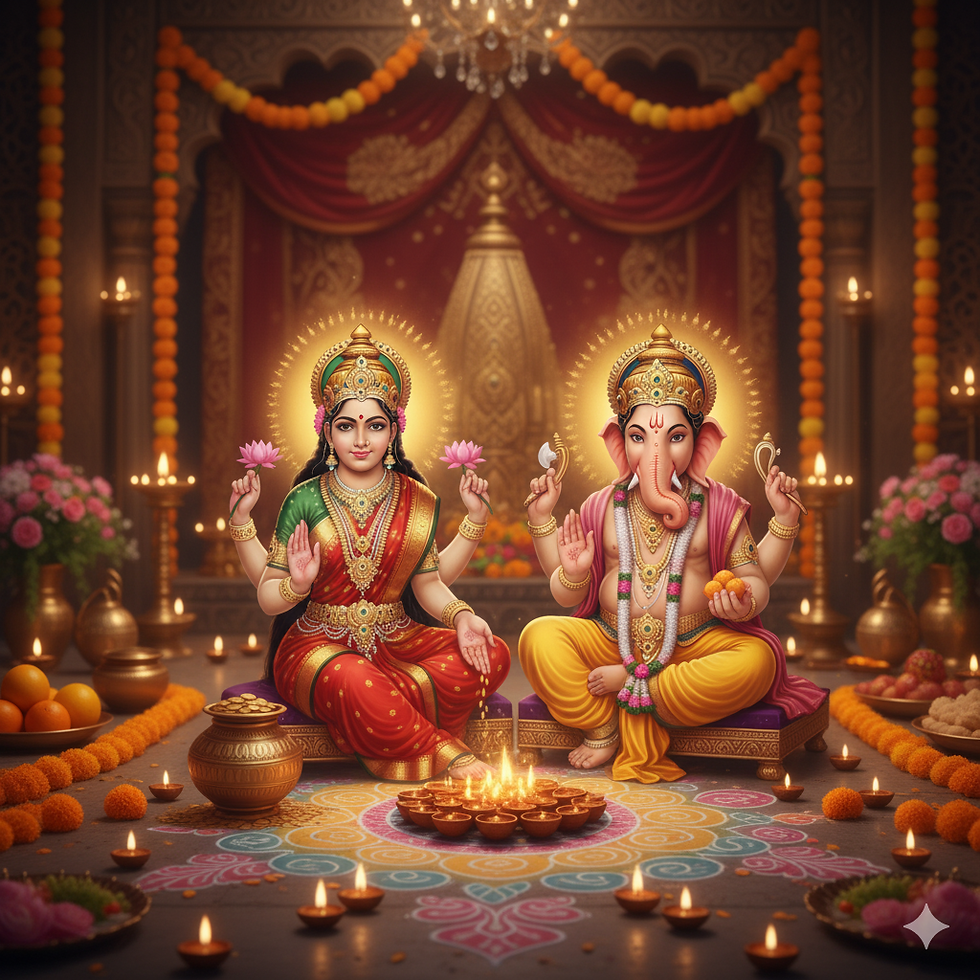
The festival is also dedicated to Goddess Lakshmi, who brings wealth and prosperity. People clean their homes and decorate them to invite her blessings into their lives. Diwali teaches us to cherish our relationships, nurture our bonds, and spread joy around us. Diwali teaches us to follow the footsteps of Bhagwan Ram and always live by truth and righteousness.
As we await the festive days of Diwali, let’s reflect on its inspiring values: kindness, love, and togetherness. This year, let’s share smiles, help those in need, and perhaps make something special for our family. Remember, every act of kindness, no matter how small, can light up someone’s life.
So, let’s gear up for a joyful Diwali where we enjoy celebrations, illuminate our hearts with love and positivity, and carry forth the teachings of this wonderful festival! Happy Diwali to everyone, where light and happiness shine brightly in our lives!


More such blogs
Resources


Comments